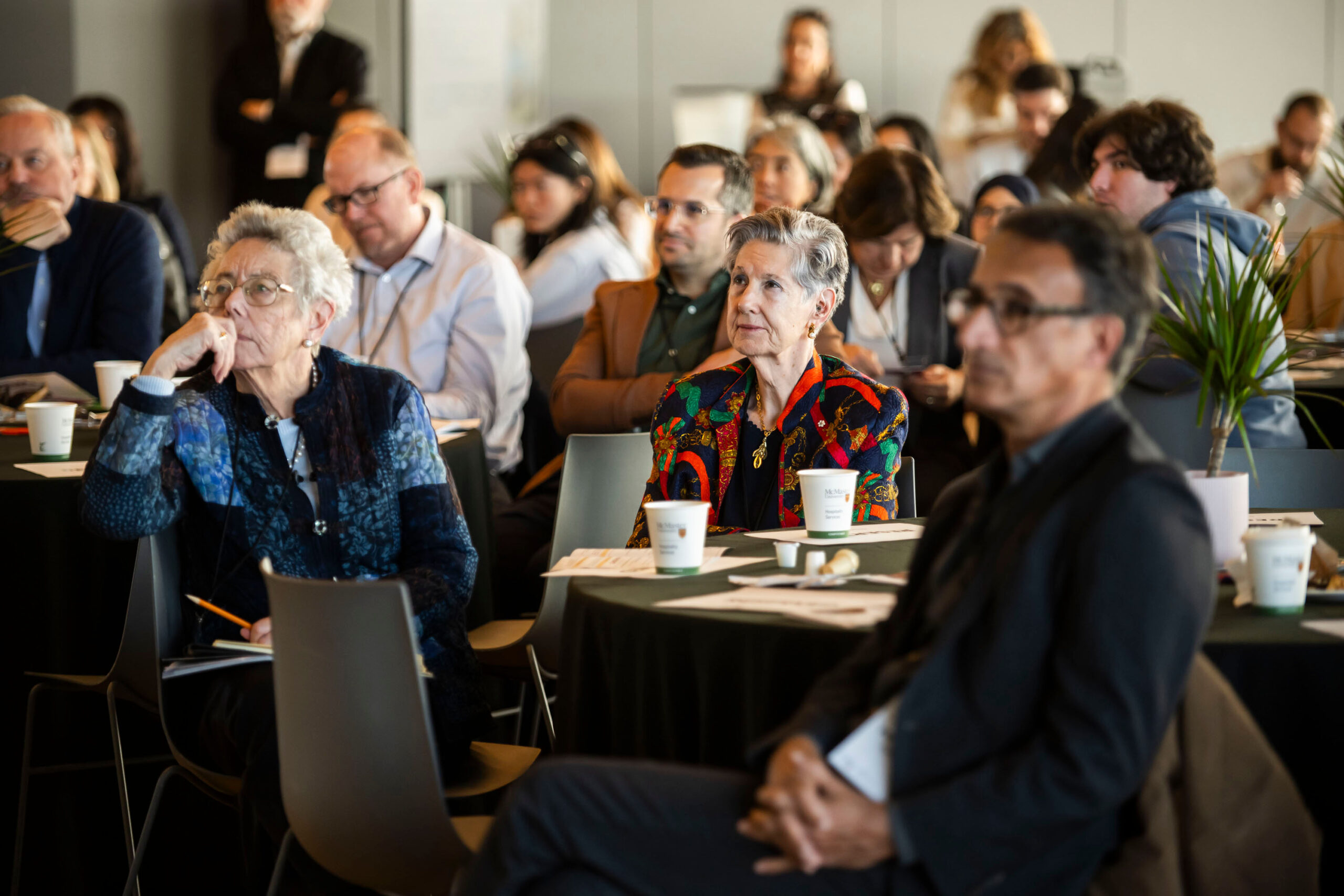
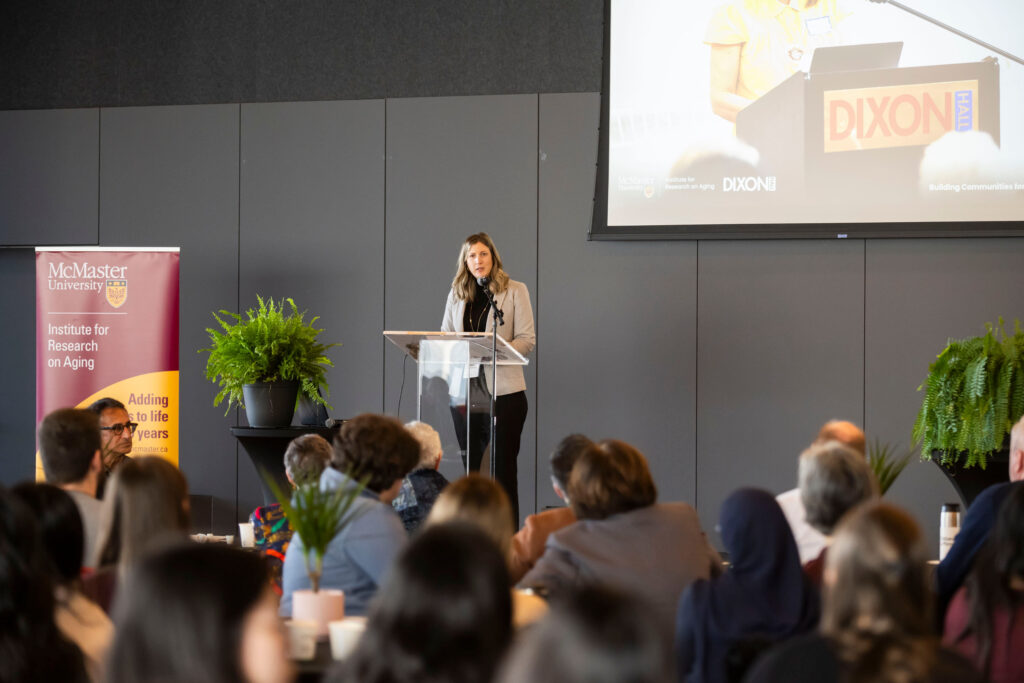
On December 4, the Loft at McMaster University hummed with connection and shared purpose as researchers, trainees and community partners came together for the annual MIRA & Labarge Knowledge Exchange. This year’s event celebrated a decade of advances in aging research at McMaster and looked ahead to the next chapter for the McMaster Institute for Research on Aging (MIRA).
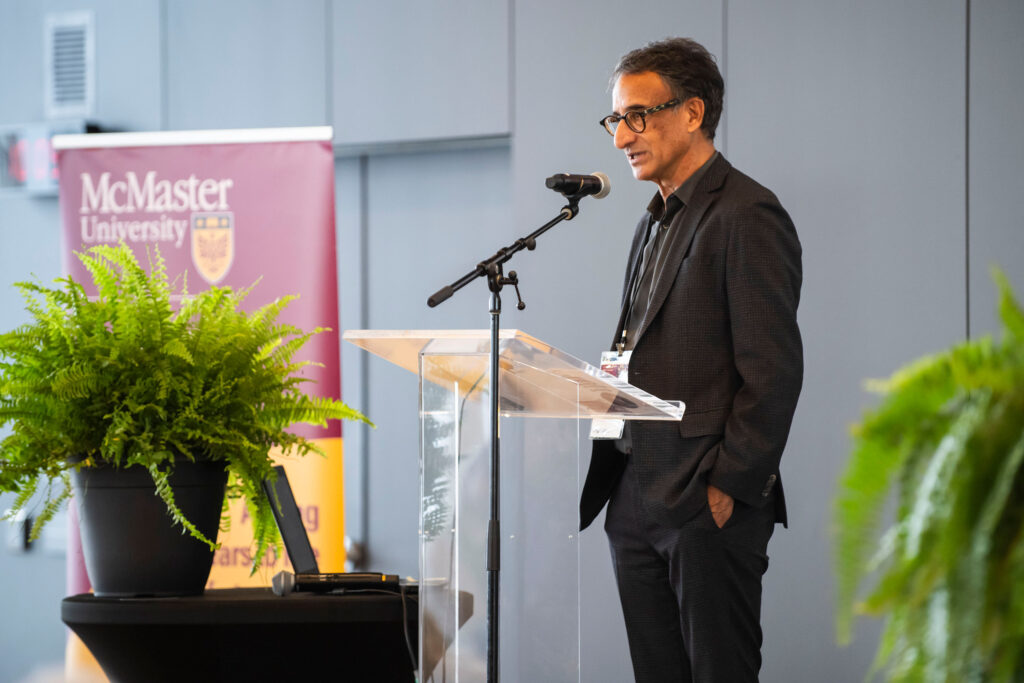
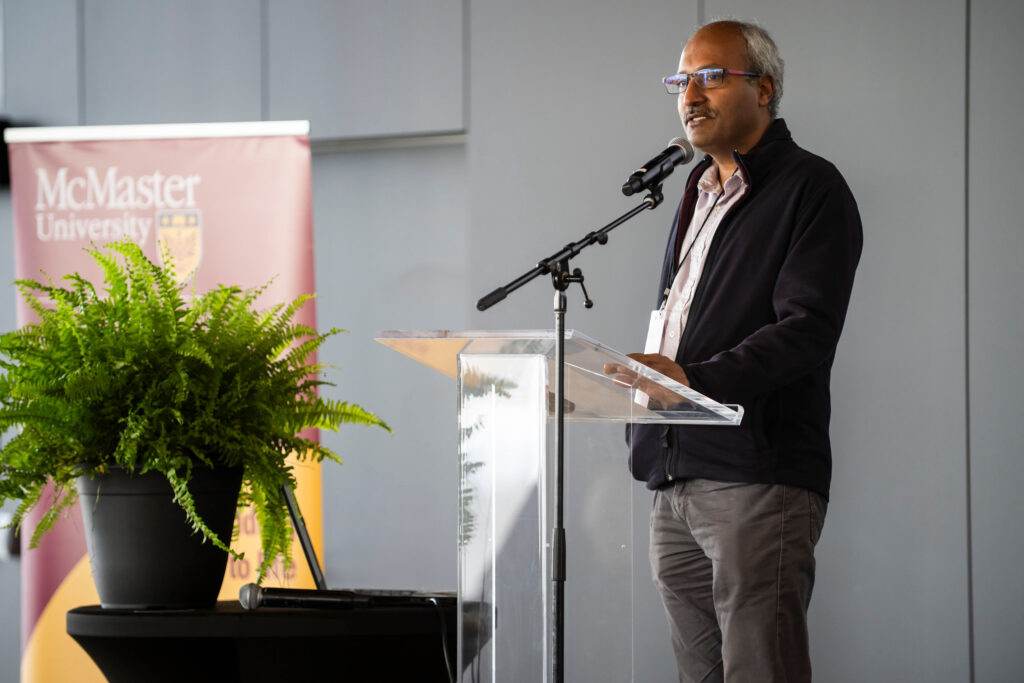
The day began with opening remarks from Gianni Parise, Vice-President Research, who highlighted MIRA as a connector between research, community and industry as well as the Institute’s role in McMaster’s rise to 14th globally in the Times Higher Education Impact Rankings and first in North America for advancing health and well-being. He was followed by Paul O’Byrne, Dean and Vice-President of Health Sciences, who traced the Labarge legacy — from the first endowed chair in 2006 to transformative initiatives like the McMaster Optimal Aging Portal, the Labarge Centre for Mobility in Aging, and the MIRA | Dixon Hall Centre.
Parminder Raina, MIRA’s Scientific Director, told the story of how Suzanne Labarge’s vision sparked not just a research institute but a movement that connects disciplines and communities to address aging as a complex, interconnected challenge. Raina shared examples of research collaborations spanning engineering, neuroscience, social science and even ancient genetics, all aimed at improving life for older adults.
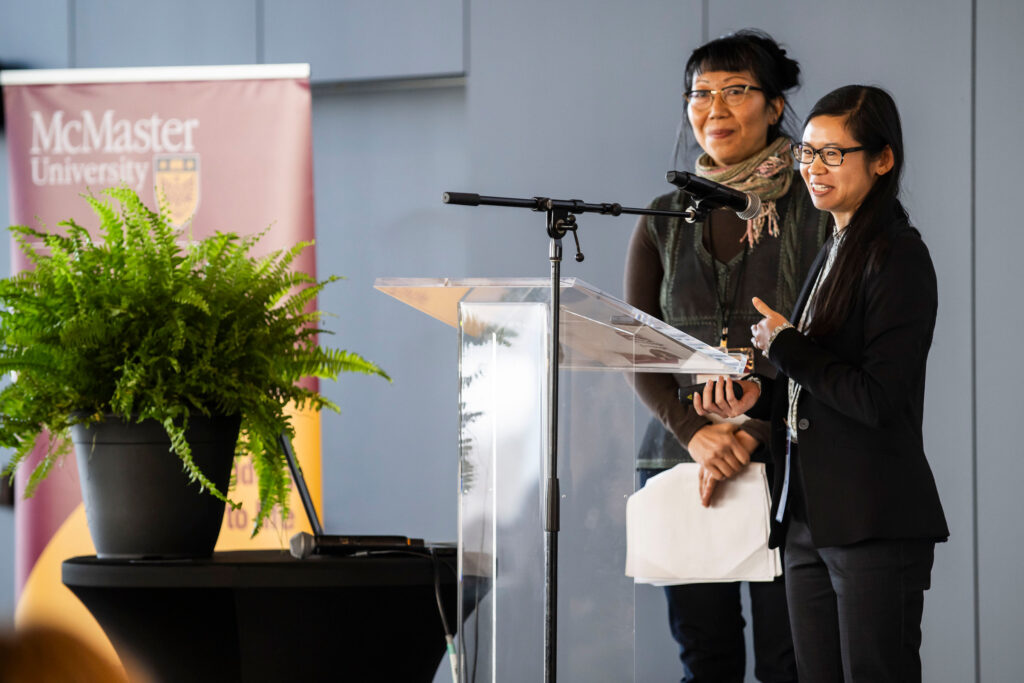
Marla Beauchamp, Scientific Director of the MIRA | Dixon Hall Centre, described how the Centre bridges research and lived experience. From expanding major research programs like MacM3and EMBOLDENto hosting “Snacks & Science” talks, which have brought the latest in aging research over 850 older adults and service providers, the Centre exemplifies community-engaged research. Looking ahead, Beauchamp previewed initiatives such as the Moving Together program and a priority-setting exercise with equity-seeking older adults.
The program featured two panel sessions of MIRA researchers. The first group of talks, chaired by Stu Phillips, explored the impact of MIRA’s first cohort of Major Programs of Research. Rebecca Ganann presented on EMBOLDEN, a co-designed intervention promoting mobility and social connection. Marla Beauchamp gave and update on MacM3, which uses wearable technology to monitor mobility. Andrea Gonzalez shared insights from MIRA-iGeN, a platform exploring health across generations. The second session, chaired by Andrew Costa, focused on knowledge synthesis at the MIRA | Dixon Hall Centre. Carol Lee and Joanna Sinn examined aging in place in rooming homes, while Brian Detlor discussed digital literacy programs for older adults.
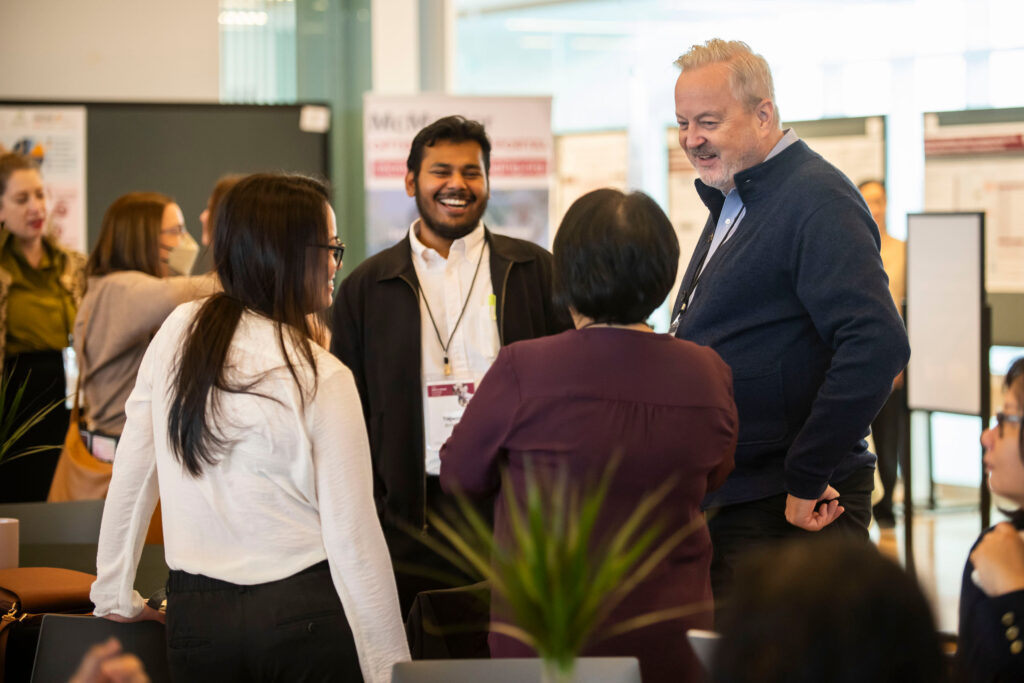
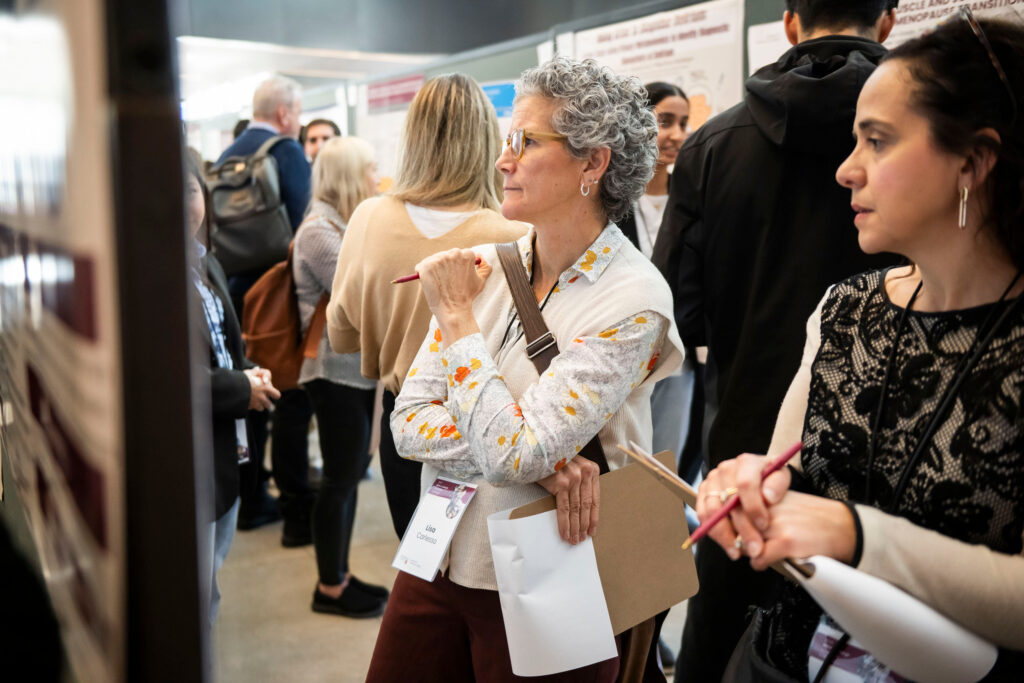
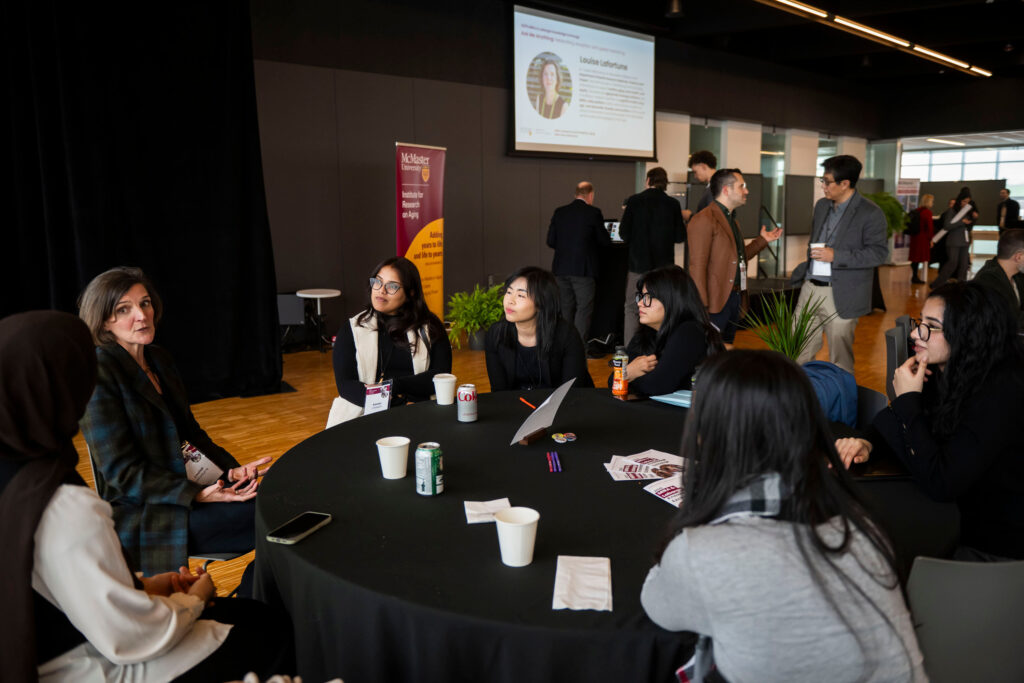
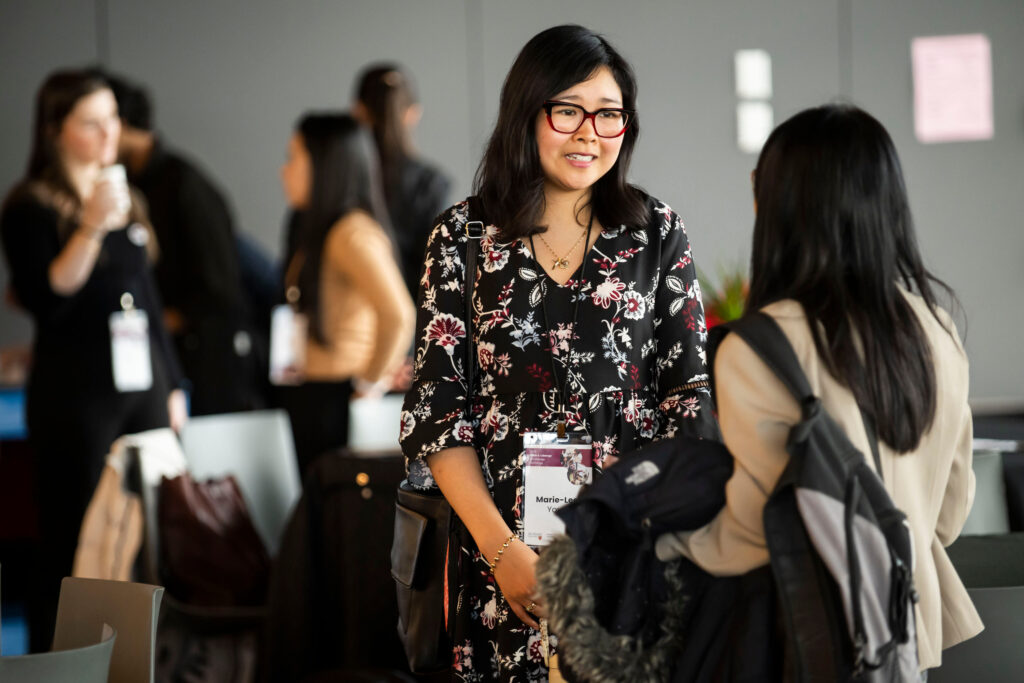
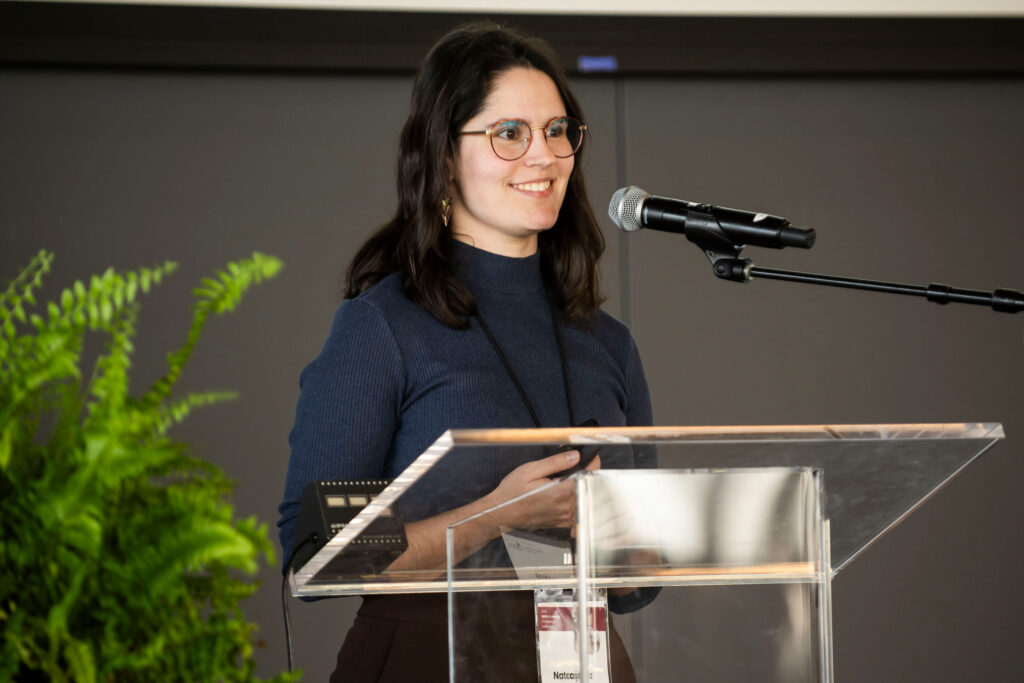
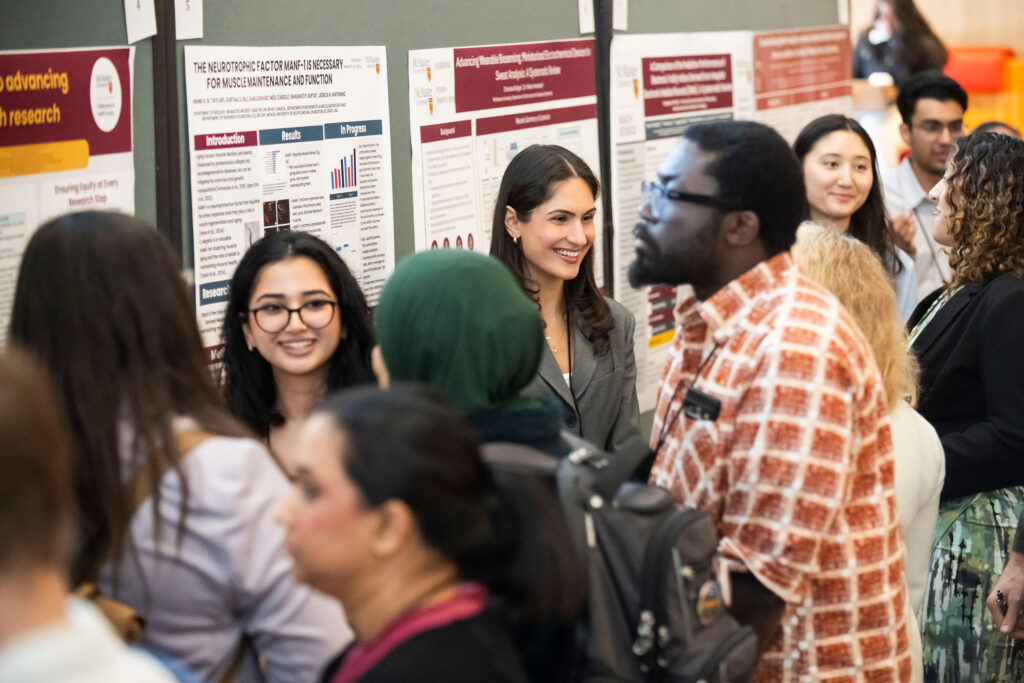
Trainees also took the spotlight with a panel chaired by Ravi Selvaganapathy. Aedan Rourke presented research on ketone supplementation for cognitive health. Former trainee (now a faculty member) Marie-Lee Yous shared global lessons in dementia care. Natassja Brien offered a deep-time perspective on aging through ancient epigenetics and skeletal frailty. A poster competition at the Knowledge Exchange celebrated emerging talent with nearly 60 trainees sharing their work.
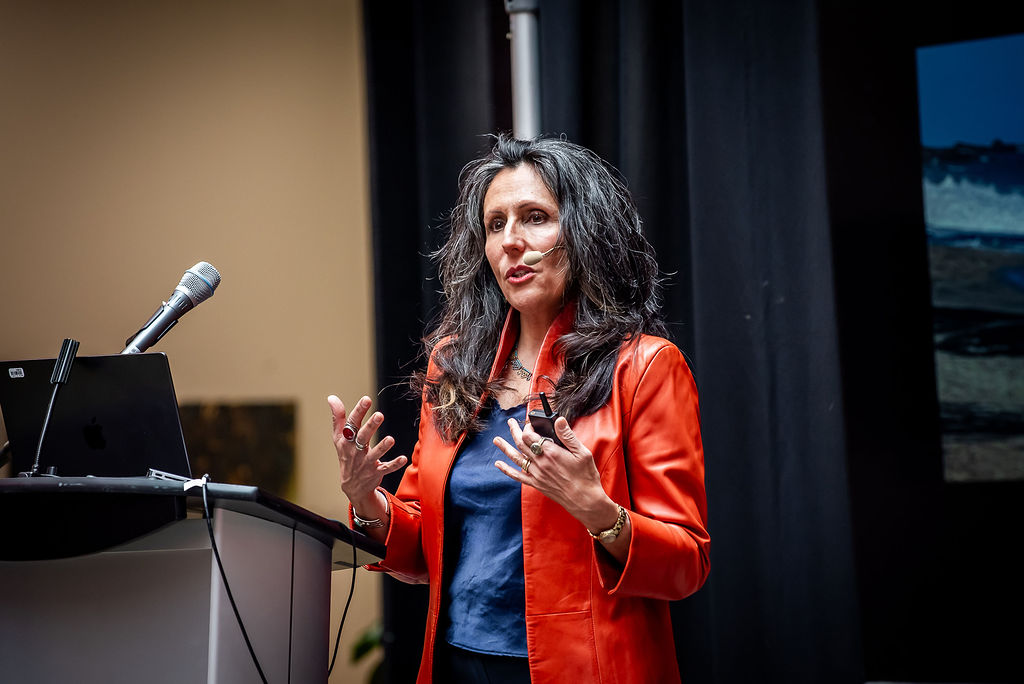
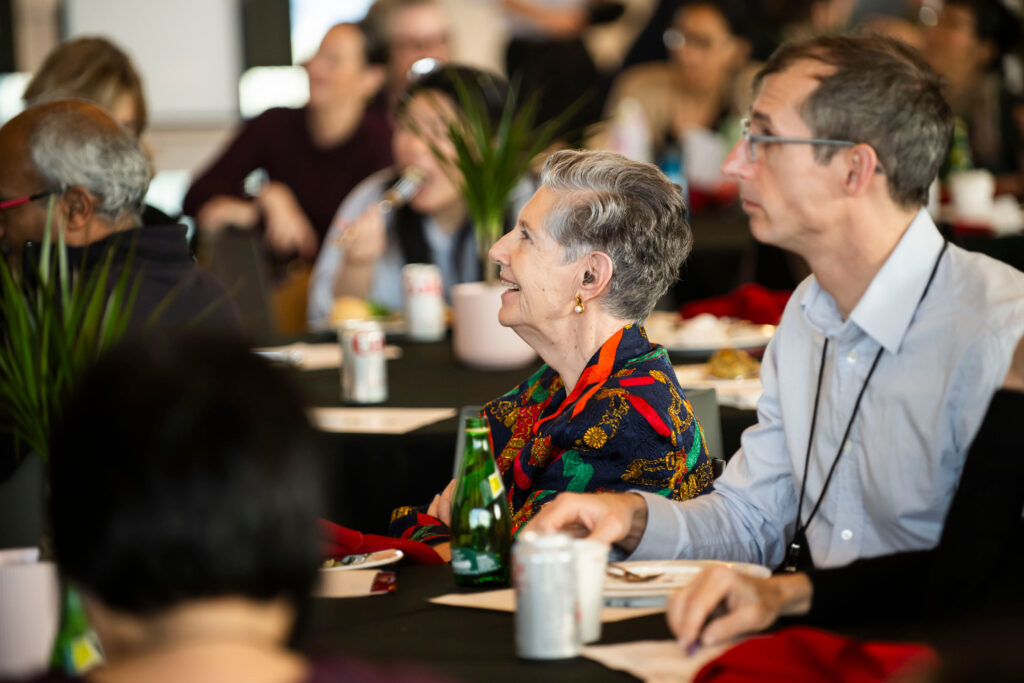
The day’s plenary was given by Ian Bruce, who explored how hearing loss shapes the experience of live music and the promise of assistive listening technologies. Parminder Raina introduced the session with information about MIRA’s new Aging Brain Research Program.
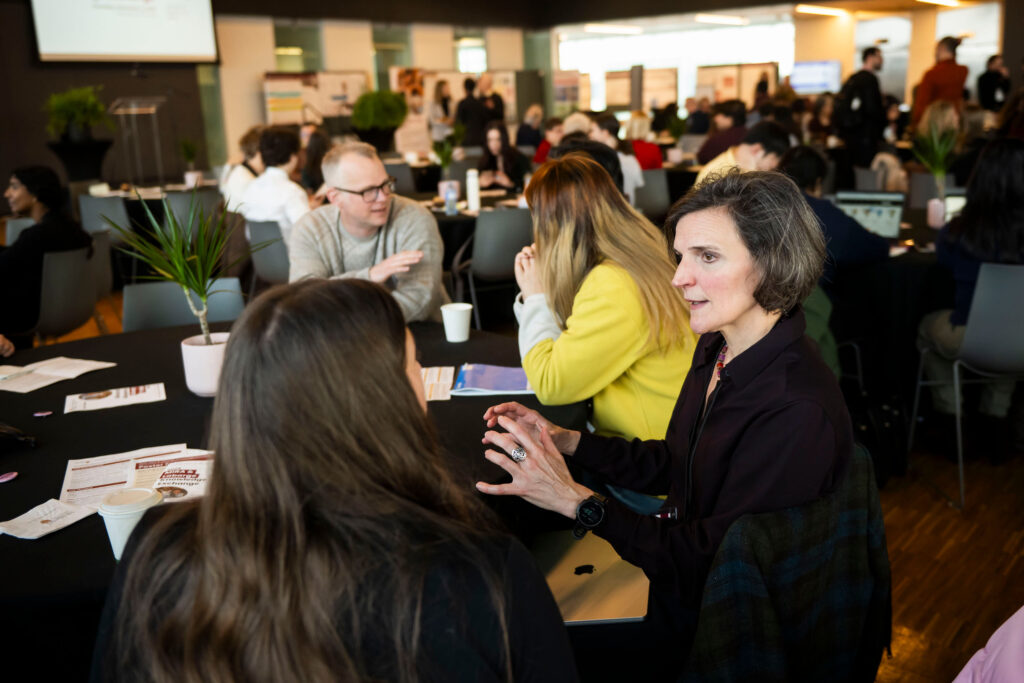
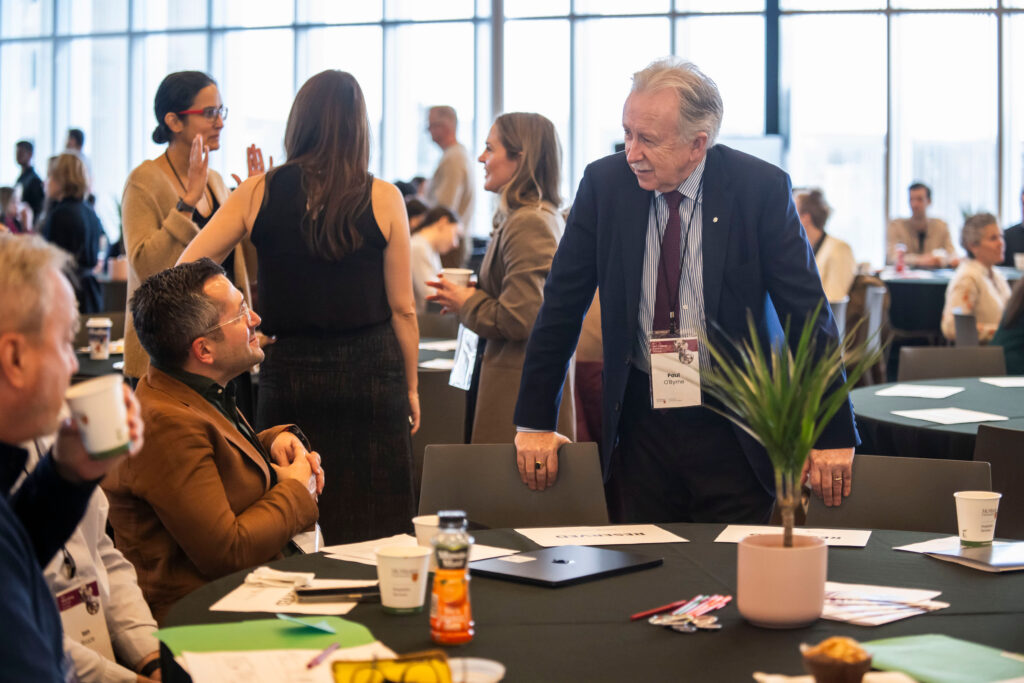
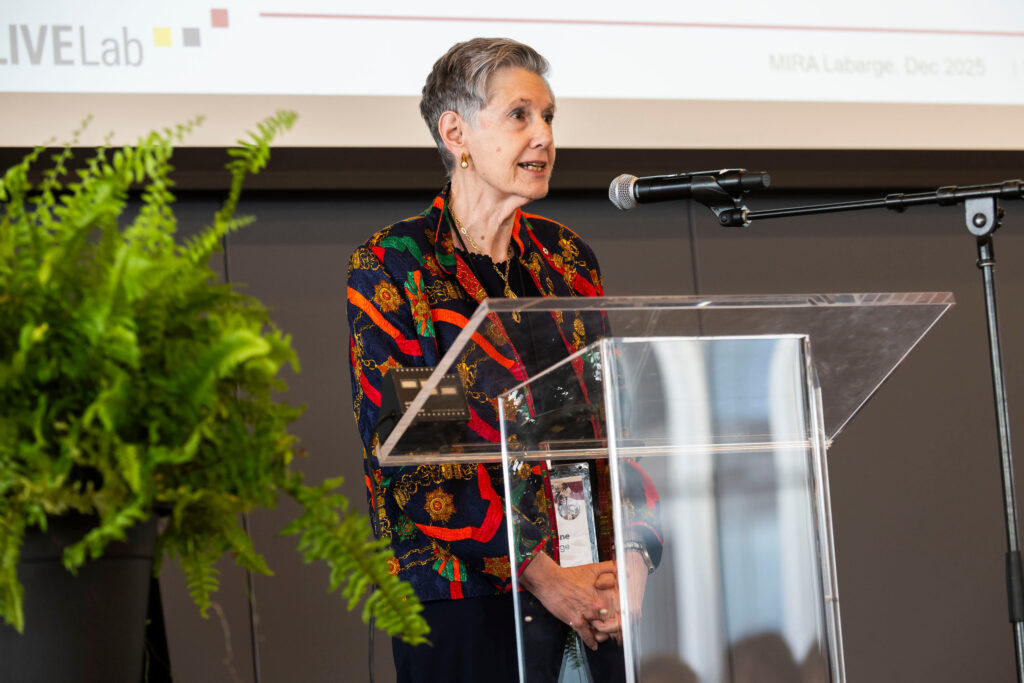
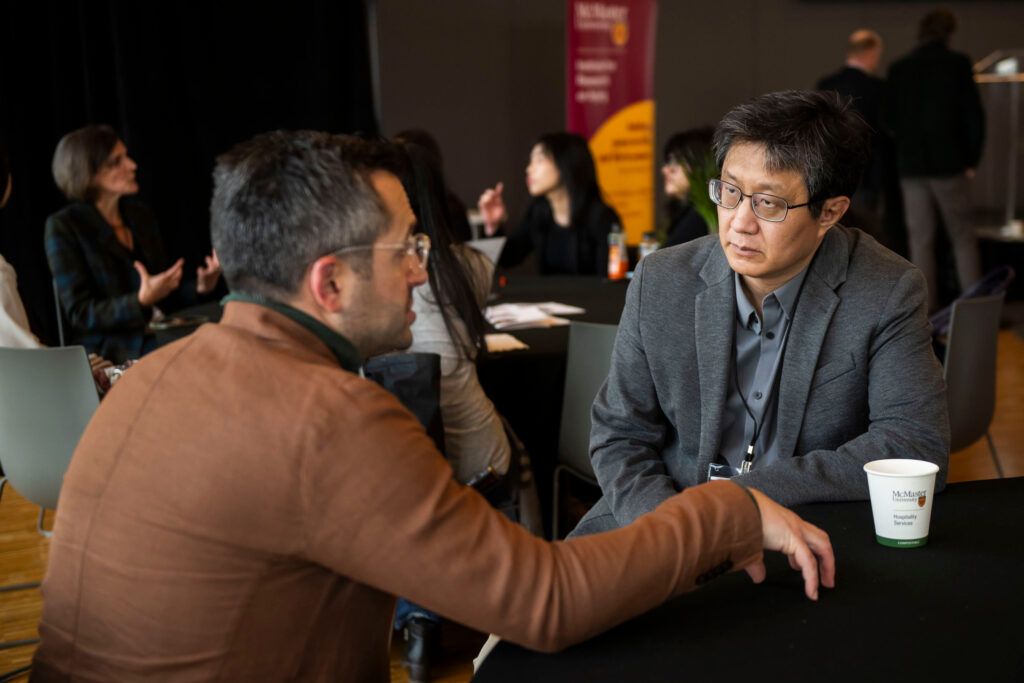
Closing remarks from Heather Sheardown, Dean of Engineering, and Suzanne Labarge underscored the event’s theme: collaboration accelerates impact. The day ended with networking and speed mentoring, reinforcing MIRA’s commitment to training the next generation of aging researchers.
As we mark MIRA’s tenth anniversary, we reflect on the foundation that shaped its first decade — curiosity that drives discovery, interdisciplinary partnerships, community and a commitment of everyone who engages with the work. We would like to thank all attendees for contributing to this year’s conversations, and we offer our sincere appreciation to Suzanne Labarge, whose longstanding generosity and vision continue to shape MIRA’s ability to champion ambitious research and support healthier aging for all.
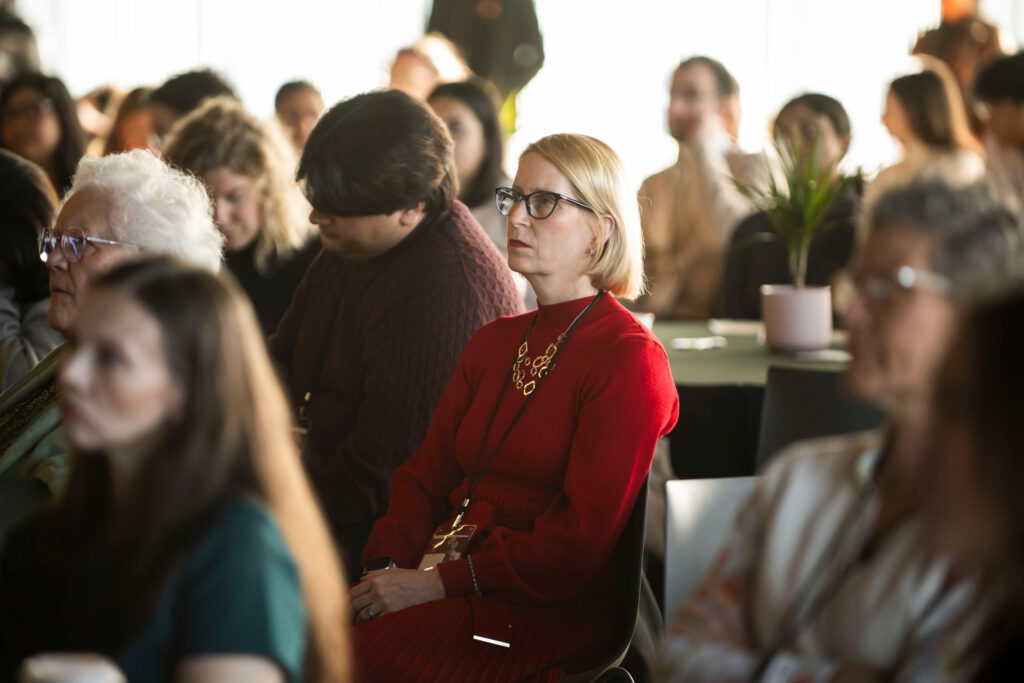
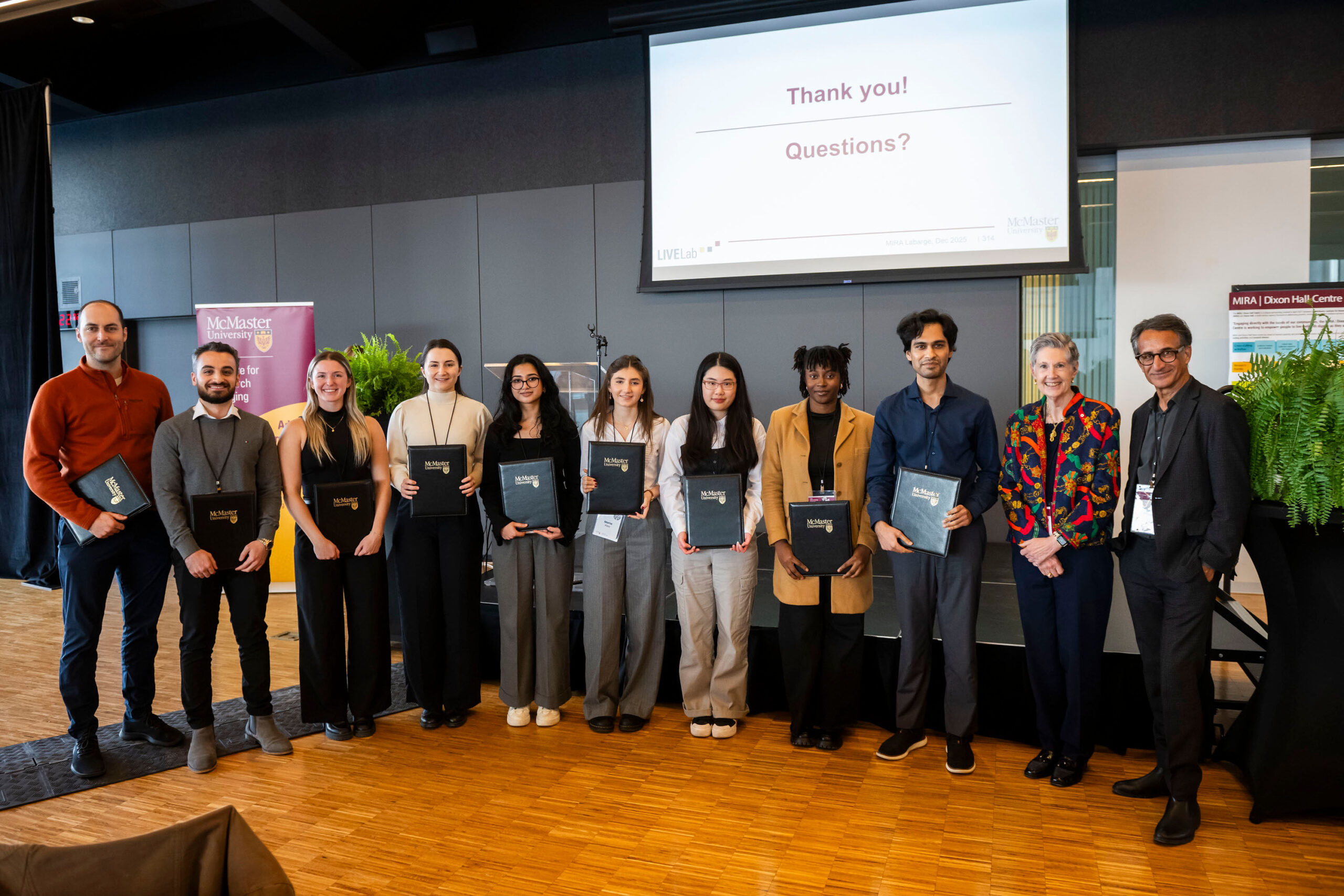
Trainee Poster Competition Winners
Undergrad
Gold
Maria Alex – Unseen movements: caregiver perspectives on sensorimotor change in Alzheimer’s disease
Silver
Narmeen Awan – Equity by design and closing the loop: tools to advance equity and partnership in aging research
Masters
Gold
Diana Tedesco – Epigenome-wide alterations following burn injury in an aged mouse model
Elizabeth Zhou – Effects of exercise type and structure to improve gait speed in older adults
Silver
Natasha Atokolo – Trust, uncertainty, and social validation in critical health information navigation: opportunities for conversational agents supporting older adults
PhD
Gold
Sama Jaberi – Molecular imaging for diagnosis of basal forebrain neurodegeneration in aging
Fadi Khalaf – Burn injuries accelerate biological aging and increase the epigenetically inferred risks of mortality and frailty
Caroline Lowisz – Optimizing health in aging: strength training combined with high-quality protein enhances body composition in older adults with overweight or obesity
Postdoctoral Fellows
Gold
Ben Cornish – Investigating the black-box: evaluating the effect of wear location and algorithm choice on accelerometer derived daily step counts in older adults
Silver
Talha Rafiq – Utilizing metabolomics to understand the influence of diet on epigenetic regulation of frailty in the CLSA
An early draft of this story was prepared with the assistance of Microsoft Copilot AI. All facts and details have been confirmed by humans.